
Coaching the Coach: Supporting Effective Instructional Coaching
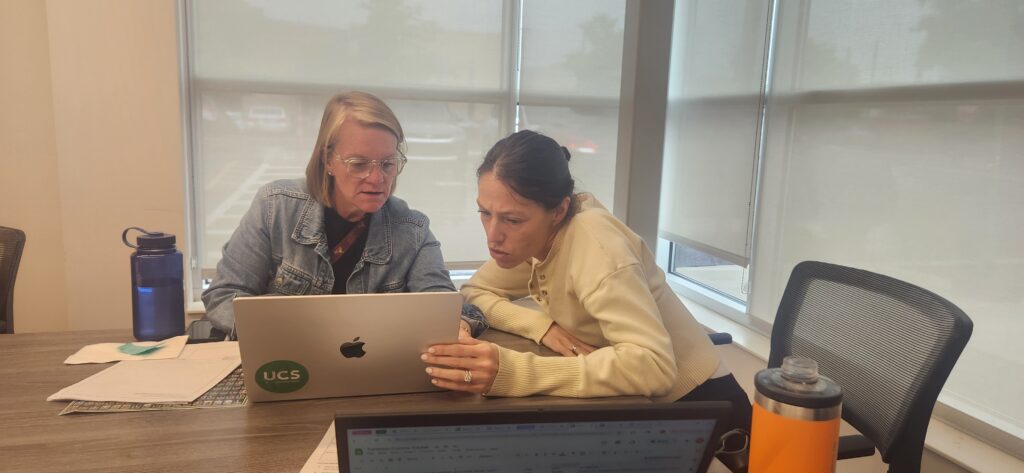
Instructional coaching can be a key lever for teacher development. High quality teacher coaching results in teachers receiving targeted, focused support that is directly relevant to their work in their classroom. But, the effectiveness of coaching is tied directly to the quality of the coach, and the extent to which the coach receives intentional, high quality support from their own leaders. Over the past several years, we’ve had the privilege to not just support coaches directly, but to also support the school leaders who are responsible for developing instructional coaches. (Read more about our work in instructional coaching here, here and here).
Many of our school system partners have invested time and resources into instructional coaching. But, it’s not enough to simply identify instructional coaches and set them to work. In our work supporting these systems, we have found that coaches often struggle with fundamental issues, such as lacking a consistent coaching template, talking too much during meetings, giving vague feedback, or avoiding direct confrontation. Intentional development—which requires leaders to observe the coach in action to identify strengths and opportunities—ensures instructional coaches acquire the precise, targeted skills needed to drive meaningful improvements in teaching and learning.
Here are actionable ways leaders we have seen leaders intentionally support their instructional coaches:
Focus on Structure and Efficiency
- Establish Consistency: Require coaches to use a consistent coaching template for all sessions, building on it weekly to keep resources organized.
- Shift the Cognitive Load: Use a shared document and have the teacher being coached take notes and synthesize ideas instead of the coach doing the heavy lifting.
Focus on Clarity and Concrete Action
- Identify Highest Leverage Focus: Coach coaches to narrow their focus to the single highest leverage action step for a teacher. The test is: “if the teacher changed that one thing tomorrow, would the lesson be materially better?”.
- Model Direct Feedback: Role-play delivering direct feedback. The clear structure could be: “When you [specific teacher action], I saw [specific student outcome]. Moving forward, try: [specific new action],” avoiding “softening” language like “maybe”.
- Practice Doing the Work: Support coaches to ensure that half of every coaching meeting is spent doing the work (e.g., writing an exemplar, scripting questions, stand & deliver practice) rather than just talking about it.
- Use Bumper Questions: Instead of broad, open-ended questions (e.g., “What went well?”), use questions with “bumpers” that guide the teacher to key moments, such as: “What did you notice most students did when you asked them to stop and jot after paragraph 1?”.
Focus on Trusting Relationships and Accountability
- Balance Praise and Push: Ensure every coaching conversation follows a 3:1 rule, providing three pieces of specific praise before moving to one, high-leverage constructive push.
- Lead with Priority: Coach coaches to maintain focus on the highest leverage gap they observed. If the teacher requests a different focus, the coach should acknowledge it but redirect the conversation: “Today I need us to focus on [your highest priority] because I saw [student impact]”.
- Maintain Accountability: End every coaching meeting by scheduling a specific accountability check-in (e.g., “I’ll be back tomorrow/this week to see this in action. What period should I come to observe?”) and then consistently following through.
Instructional coaching can be a critical lever to drive improvement in teaching and learning in classrooms. But this investment must come with intentional support for the instructional coaches driving the improvement. Are you interested in exploring how to improve instructional coaching in your school or system? Reach out to Jess to talk.