
Posts Tagged ‘Teacher Development’

Transforming Teaching: An Observation Coaching Protocol
Every educator knows that a rubric alone doesn’t change a classroom—it’s the conversation around that rubric that sparks growth. If you’ve downloaded the Hendy Instructional Excellence Rubric, then you know about the accompanying observation coaching protocol. This protocol provides a precise, 30-40 minute roadmap for leaders to effectively coach and support teachers.
We are excited to spotlight this protocol adapted from Paul Bambrick-Santoyo and Uncommon Schools. Uncommon maintains their position as pace setters in people development; check out Leverage Leadership 2.0, in addition to the Uncommon Schools’ blog for more incredible resources, in addition to- we, and the entire field, are indebted to their work.
Here is a breakdown of how this tool transforms a standard debrief into a high-impact coaching session.
The 6-Step Coaching Roadmap
The protocol is divided into six distinct phases designed to move from celebration to practice.
1. Precise Praise (1-2 Minutes)
Start by grounding the conversation in success. Leaders are encouraged to share concrete statements of praise that recognize strengths or the implementation of previous feedback.
- Pro Tip: Use specific language from the Hendy Instructional Excellence Rubric to ensure the praise is professional and objective.
2. The Discussion (10-15 Minutes)
This is the “meat” of the meeting, divided into three phases:
- Identify the Goal: Collaboratively define what excellence looks like for a specific rubric indicator.
- Explore the Gap: Present evidence from the observation to identify the difference between the current practice and the goal.
- Close the Gap: Use modeling, exemplar videos, or reflective questioning to determine how to bridge that gap.
3. The “Bite-Sized” Action Step (2 Minutes)
The leader names one specific, observable, and “bite-sized” action step. For example, instead of “improve monitoring,” a step might be: “Pre-plan a circulation route for the next lesson’s independent practice”.
- Key Requirement: Have the teacher restate the action step and write it down to ensure total alignment.
4. Plan Ahead (3-5 Minutes)
Don’t leave the implementation to chance. Collaboratively design or revise upcoming lesson plans to integrate the new action step. This involves reviewing materials and identifying exactly where the new strategy fits best.
5. Practice! (10-15 Minutes)
This is often the most overlooked step in coaching. The teacher practices the action step through role-play.
- Immediate Feedback: The leader pauses the practice at any point to provide feedback and the teacher repeats the exercise until it is successful.
- Increased Complexity: Once the basics are mastered, the leader adds “real-world” challenges, like a disruptive student or a more difficult question.
6. Follow-up (1-3 Minutes)
End by confirming the timeline. Set a specific date for the next observation or a deadline for reviewing a modified lesson plan.
Why It Works
By focusing on one measurable action and providing a safe space to practice before the next class, this protocol moves beyond “giving advice” and into true skill-building. Want your own copy of the Observation Coaching Protocol and Planning Guide? Download the Hendy Instructional Excellence Rubric, or reach out to Jess!
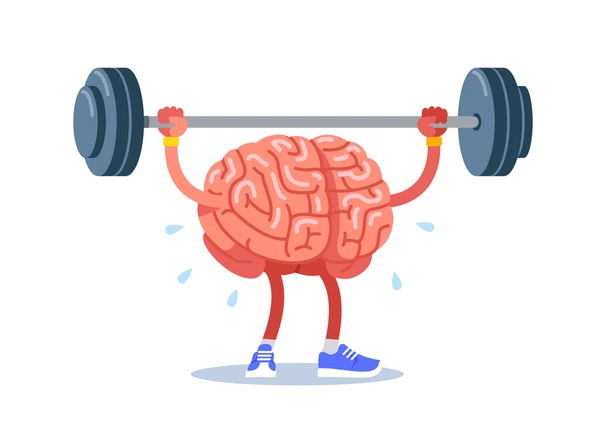
The Heavy Lifting Framework: Getting Kids To Do the Thinking
In our work supporting schools and school systems, we get the honor of visiting classrooms across all grades and subjects. And, regardless of the school system, geography, age of kid, or content, we are seeing similar challenges in all of our visits: kids are too often not being asked to do the rigorous thinking work at the heart of the lesson. Instead, teachers are holding too tight and reducing the cognitive load on kids. The result – a lack of independence in students.
Why is this happening? In almost all systems we support, schools and teachers have adopted and are using high-quality instructional materials (HQIM). That’s a good thing! What we’re seeing, though, is that teachers often hold so tightly to the lesson structure or over-scaffold the work using those materials that students are left merely copying, following steps without genuine struggle or connections, or being guided in a way that stifles independence and problem-solving. This results in “adults doing the heavy lifting,” which prevents students from developing the deep thinking capacity we want to see.
How the Heavy Lifting Framework Can Help
In these classrooms, the ingredients are there: HQIM, productive classroom environments with kids ready to learn, and willing teachers who are working diligently to support their students. We created the Heaving Lifting Framework to support instructional leaders to coach teachers to move from doing the thinking to putting the work on kids. This framework provides coaches and instructional leaders with a clear lens to diagnose this challenge and coach teachers effectively. It focuses on two core components for creating a classroom where students own the thinking: Planning and Execution.
1. Diagnose the Issue (Planning)
Instructional leaders can use the framework to ask:
- Bottom Line: Does the teacher know the precise learning goal—the bottom line—of the lesson, and are all tasks driving directly towards it?
- Exemplary Work: Has the teacher clearly identified exemplary work (written or verbal) aligned to grade-level expectations, which defines the high bar they are listening for during the lesson?
2. Support the Teacher (Execution)
The framework offers concrete support for in-the-moment coaching:
- Lesson Structure and Work Time: Does the lesson structure include sufficient, uninterrupted time for students to think, write, discuss, and apply the concepts? Is the teacher circulating during this time to identify trends in student data and to provide feedback on student work?
- Appropriate Scaffolding: Is the teacher providing an appropriate amount of scaffolding? This means offering enough context to launch students into the work, but resisting the urge to overscaffold with too many leading questions or by telling students how to solve the problem. Do students have what they need to get started and try on their own?
Supporting Teachers To Pass Off the Thinking
It’s easy to say that kids should be doing the thinking in the classroom, but we’ve found that it’s a lot more difficult to articulate the teacher moves to make that happen. The Heavy Lifting Framework has proven to be useful for the instructional leaders we support. The framework can be a meaningful tool to guide both planning and instructional walkthroughs to support teachers to shift the balance of cognitive work. This is how we support students to ensure that they build the independence they need to succeed.
Want to learn more about supporting kids to do the heavy lifting? Reach out to Jess to schedule a call.
From 46% to 73% Proficiency: Building a Culture of Mathematical Thinking at Hebrew Public – Hebrew Language Academy
A Case Study in Sustained Partnership and Leadership Development
By Hendy Avenue Consulting
The Challenge
When Hebrew Public’s new Chief Schools Officer reached out to Hendy Avenue Consulting nearly seven years ago, the network was ready to transform its mathematics program. They weren’t just looking for curriculum recommendations or professional development sessions. They needed a partner who could help them fundamentally shift how their schools approached math instruction – from procedures and algorithms to deep understanding and critical thinking.
Changing math mindsets and instructional practices requires more than content knowledge. It demands leadership development, strategic thinking, and sustained support to build capacity at every level of the organization.
The Partnership Approach
What began as a math program evaluation evolved into a comprehensive, multi-year partnership spanning talent strategy, leadership development, and instructional improvement. This case study focuses on one powerful example of that work: Hendy’s coaching relationship with Daniella Steinberg, Head of School at Hebrew Language Academy (HLA).
Building on Strengths
When Hendy consultant Jeremy Abarno began working with Daniella more than five years ago, Daniella had already been a teacher and instructional leader at HLA for many years and brought critical leadership strengths to the role: her decision-making was always student centered, she had a strong eye for quality instruction, a keen ability to consider multiple perspectives, and a balanced approach to communication – kind and direct.
The initial work with Daniella was around clarifying her vision, strategic planning, goal setting, and developing content-based strategies to drive teacher development and student results.
The Coaching Process
Jeremy’s coaching approach centered on three interconnected elements:
1. Clarifying Vision and Strategy They used a theory of action to articulate goals and the strategy to achieve them. This framework became the north star for all decisions about curriculum, professional development, and resource allocation.
2. Making Ideas Actionable Coaching sessions weren’t just about reflection – they were about doing. Jeremy and Daniella worked together on strategic planning, turning ideas into concrete implementation plans with clear measures of success.
3. Building Accountability Systems They established rhythms for measuring progress and adjusting when necessary, ensuring that strategy didn’t just exist on paper but lived in daily practice.
As Jeremy describes it: “Our coaching process was based around goal setting, honest conversations about growth areas and aspirations as well as lots of doing – doing the strategic planning together, helping her articulate and make her ideas actionable and then partnering with her to ensure that she had an implementation plan.”
The Frameworks and Tools: Several key frameworks and protocols drove the work at HLA:
Theory of Action: A clear articulation of goals and the strategy to achieve them, ensuring all stakeholders understood not just what they were doing but why.
Consistent Data Review: Both short and long cycle results allowed the team to study their rate of improvement and make strategic adjustments. This data-driven approach kept the team focused on outcomes rather than falling in love with inputs.
Content-Based Protocols: Intellectual preparation and planning protocols ensured instruction remained at a rigorous level, with teachers deepening their understanding of grade-level concepts and the connections across grade levels.
Walkthrough Protocols with the Hendy Instructional Excellence Rubric: These protocols engaged Daniella’s leadership team in calibrating their observations and then engaging teachers in cycles that balanced support and accountability.
Practicing Crucial Conversations: Repeatedly rehearsing and refining the conversations needed to help people grow – because leadership development isn’t just about knowing what to say, it’s about being able to say it effectively.
According to Jeremy, “The main ingredients that made this approach successful were humility, investment in growth, and a willingness to let the data and outcomes tell us how we were doing rather than falling in love with our inputs.”
The Three Fundamental Shifts
Over the course of the partnership, three key transformations emerged in mathematics instruction at HLA:
1. What Was Valued Changed
From: Valuing correct answers
To: Valuing proof of understanding
This shift was driven by changing assessments and curriculum to focus on critical thinking and problem-solving that required proof and connection-making. Students needed to demonstrate not just that they could arrive at an answer, but that they understood why it worked.
2. Teacher Training and Coaching Evolved
From: Focusing primarily on content delivery
To: Emphasizing thinking for both teachers and students
Teachers engaged in intellectual preparation sessions where they deepened their understanding of grade-level math concepts as well as preceding and following grade levels. This allowed them to understand what foundational knowledge students needed and what connections students could make to future learning.
Student thinking became centered in two ways: teachers anticipated how students might solve problems, and they reviewed student work to understand what students were demonstrating and what they still needed to learn.
3. Student Investment and Engagement Transformed
From: Students as passive recipients of procedures
To: Students as active mathematical thinkers
Students became eager to share their thinking with the class – presenting strategies, defending their thinking, and even critiquing their classmates’ reasoning. Students knew their ideas were valued and that they could learn from each other.
The Results
The numbers tell a powerful story:
- School Year 2021-22: 46% of students in grades 3-8 achieved proficiency on the NYS math exam
- School Year 2023-24: 73% of students achieved proficiency. That’s a 27 percentage point gain – representing hundreds of students who are now on track to meet college and career readiness standards in mathematics.
But the quantitative data only captures part of the impact. The qualitative transformation is equally significant:
- Teachers who now approach math instruction with deeper understanding and confidence
- Students who see themselves as mathematical thinkers, not just answer-generators
- A school culture that values critical thinking across all subjects, not just math
- Leaders equipped with the tools and frameworks to sustain and continue this improvement
HLA has gone from having about 4 out of every 10 students being on track to meet college and career readiness standards to having 7 out of 10 students on track – and they’re not stopping there.
The Most Significant Transformation
While the math gains are impressive, Jeremy identifies something even more important: “The most significant transformation is the connections that leaders and teachers at HLA have made across the curriculum. Comprehension and critical thinking isn’t just a math skill – it is something that the school strives for in every subject.”
This is the power of deep, sustained partnership. What began as mathematics improvement evolved into a fundamental shift in how the school approaches teaching and learning across all content areas.
The Hendy Difference: What Made This Partnership Work Over Nearly Seven Years?
Contextual Expertise Over Generic Solutions
This isn’t consulting where you deliver a manual and move on. It’s partnership where you understand the specific people, culture, and challenges of an organization and adapt proven approaches to fit their reality. “Matching, or meeting folks where they are is just as important as expertise,” Jeremy emphasizes. “You build capacity by understanding context, investing in and clarifying the leader’s goals, and supporting their attainment of those goals.”
This principle shaped every coaching conversation, every framework implementation, and every strategic decision throughout the partnership.
What’s Next
Over 5 years in, and the partnership between Hendy Avenue Consulting and Hebrew Public Charter Schools as a network continues. The work has expanded beyond mathematics at one campus to encompass talent strategy and leadership development across the network.
The foundation built at HLA – the frameworks, the mindsets, the culture of critical thinking – continues to drive results. The HLA team is equipped with the tools, the experience, and the track record to continue pushing toward even more ambitious goals.
And throughout that building, students are defending their mathematical reasoning, critiquing each other’s strategies, and discovering that they are mathematical thinkers capable of solving complex problems.
That’s the real measure of success.

Professional Development That Actually Sticks: Research-Based Strategies from the Field
By Hendy Avenue Consulting
We’ve all been there: sitting through professional development that felt inspiring in the moment but completely forgotten by Monday morning. The binder sits on a shelf. The handouts get recycled. And teacher or leadership practice remains unchanged.
This isn’t just frustrating—it’s a significant investment of time and resources that yields minimal return. So what’s the problem? And more importantly, what actually works?
After years of designing and facilitating professional learning for leaders and educators across the country, our team at Hendy Avenue Consulting has identified several key strategies that make the difference between PD that fades and PD that transforms practice.
The Science of Adult Learning
Before diving into strategies, it’s essential to understand how adults learn. Malcolm Knowles’ theory of andragogy identifies several key principles:
- Adults are self-directed and relevancy-oriented. They want to understand why they’re learning something and how it connects to their immediate work. Top-down mandates without clear rationale breed resistance.
- Adults bring experience to learning. Effective PD acknowledges and builds on educators’ existing expertise rather than ignoring it.
- Adults are problem-solvers. They’re motivated to learn when they see it as a solution to real challenges they’re facing.
Additionally, cognitive science tells us that learning requires active processing, not passive reception. Research suggests adults retain only 5% of what they hear in a lecture, but 75% of what they practice and 90% of what they teach to others.
Seven Strategies for Effective PD
Strategy #1: Structure the Flow from “Why” to “How”
The Strategy: Build your PD narrative in a logical sequence that mirrors how adults process information.
Start with Why: Connect the topic to core principles or challenges educators face. Research shows that starting with purpose creates buy-in and meaning-making.
Move to What: Clearly define key concepts.
End with How: Provide actionable, concrete strategies for implementation. Adults need to see the bridge from theory to their classroom.
Why It Works: This structure aligns with how our brains naturally process information—from abstract to concrete, from conceptual to applied. It honors adult learners’ need for autonomy and relevance by establishing purpose before diving into tactics.
Strategy #2: Translate Theory to Practice with “Look-Fors”
The Strategy: For any standard, theory, or principle you introduce, provide specific, observable examples of what it looks like in practice.
If you’re teaching about student-centered instruction, don’t just define it—show video of a classroom where students are doing the cognitive heavy lifting. Identify the specific teacher moves and student behaviors that make it student-centered. Create a list of “look-fors” that educators can use to recognize quality practice.
Why It Works: Abstract concepts rarely translate to changed practice without concrete examples. The more specific and contextualized the examples, the more likely educators are to successfully implement. Brain science tells us we learn through pattern recognition—showing multiple examples of what something “looks like” helps educators recognize and replicate those patterns in their own practice.
Strategy #3: Use the OARRs Structure for Purposeful Design
The Strategy: Structure every PD session using OARRs:
- Objectives: What will participants know or be able to do?
- Agenda: What’s the sequence of activities?
- Roles: Who’s responsible for what?
- Rules: What norms guide our work?
If an activity doesn’t serve the objective, cut it.
Why It Works: Clear objectives align with adult learning theory’s emphasis on purposeful, goal-oriented learning. When participants see the connection from activity to objective, they understand why they’re engaging in each task, which increases motivation and retention.
Strategy #5: Include Work Time and Practice in the Session
The Strategy: Give educators time in the session to practice new skills or plan for implementation. Don’t send them away with good intentions but no concrete plan.
This might mean:
- Practicing a new discussion protocol
- Planning next week’s lesson using a new framework
- Creating a tool or resource they’ll use immediately
- Rehearsing a challenging instructional move
Why It Works: When educators leave PD with something they’ve already created or practiced, the barrier to implementation drops significantly. Research on implementation science shows that the gap between learning and doing is where most initiatives fail—work time closes that gap.
Strategy #6: Set a Vision of Excellence
The Strategy: Show, don’t just tell. Use video, live modeling, or high-quality examples so everyone can agree on what “it” looks like.
Show video of excellent execution. Share examples of student work at different performance levels. Create shared understanding through shared observation.
Why It Works: Without concrete examples, people develop wildly different interpretations of the same standard. Video and models create shared understanding of quality. People learn powerfully through observation—seeing expert performance helps educators develop mental models of success.
Strategy #7: Create Space for Contextual Application
The Strategy: After establishing a vision of excellence, ask educators to apply it to their specific context:
- “What will you steal?” (implement exactly as shown)
- “What will you adapt?” (modify for your context)
- “What questions does this raise?”
Give educators permission to make the practice their own.
Why It Works: Adults bring diverse experiences and contexts to learning. One-size-fits-all approaches ignore this reality. Educators are more likely to implement new practices when they have autonomy to adapt them thoughtfully. Contextual application also engages higher-order thinking—educators analyze, evaluate, and create rather than just receiving information.
Bringing It All Together: The Arc of Effective PD
When you combine these strategies, effective PD follows a clear arc:
- Establish Purpose (Why): Connect to educators’ real challenges and core values
- Build Understanding (What): Define concepts clearly with concrete examples
- Show Excellence: Model or view high-quality examples together
- Provide Tools (How): Give actionable strategies and resources
- Practice and Plan: Build work time into the session
- Apply to Context: Support educators in adapting to their specific situations
- Set Next Steps: Create accountability and follow-up structures
This arc honors how adults learn while maximizing the likelihood that new learning translates to changed practice.
The Bottom Line
By grounding PD design in tried-and-true best practices rooted in adult learning theory, we can create professional learning experiences that don’t just inspire in the moment—they transform practice for the long term.

Beyond the Checklist: Coaching for Impact Using an Arc of the Year Strategy
Imagine this: a new school year begins, and as a teacher, you’re handed a rubric with 16 different instructional practices, all deemed “essential” for excellence. Your coach then informs you they’ll be observing and coaching you on… well, all of them. Sound familiar? If you’re a coach, teacher, or school leader, you probably recognize the immediate feelings that arise from this scenario: overwhelm, scattered focus, and a sense of “where do I even begin?”
At Hendy Avenue, we recognize a fundamental truth about instructional coaching: you can’t effectively coach (or be coached on) 16 different things at once. It’s simply not sustainable.
Here’s why the “all at once” approach falls short:
- Coach Overwhelm: For coaches, trying to observe, provide feedback, and support growth across a vast array of indicators for every teacher is a recipe for burnout. The coaching becomes superficial, lacking the depth needed for true impact.
- Teacher Overwhelm: Teachers, already juggling countless responsibilities, are left feeling inadequate when faced with a long list of “areas for improvement.” This can lead to frustration and a lack of clear direction.
- Not All Indicators Are Created Equal: Some instructional practices are foundational, forming the bedrock of an effective classroom. Others are more advanced, building upon those initial skills. Treating them all with the same urgency neglects this natural cascade of development.
- Lack of Coherence: When every coach is focusing on different aspects of the rubric, and every teacher is getting varied feedback, the school’s PD efforts become fragmented. It’s incredibly difficult to have aligned PD that truly supports the coaching happening in classrooms if there’s no shared focus. This creates a chaotic environment where teachers receive “random” information rather than a coherent, supportive system.
Enter the “Arc of the Year”: A Strategic Approach to Coaching and PD
To combat this potential overwhelm, we advocate for chunking the Hendy Instructional Excellence Rubric and the associated coaching into manageable “arcs” across the school year. This strategy brings focus, coherence, and ultimately, greater impact to your instructional improvement efforts.
The Hendy Instructional Excellence Rubric is organized into four domains, each with an essential question and a set of indicators that describe what an effective classroom looks like. Our “Arc of the Year” strategy aligns with these domains to provide a clear pathway for teacher development. The goal for each teacher is to work toward a rating of “Proficiency” or a “Level 3” during each observation on each Indicator.
Here’s how it works:
Arc 1: Building a Strong Foundation (Domain 1: Classroom Culture)
The beginning of the school year is crucial for establishing a predictable, accessible, and joyful learning environment. How you start is how it is. Therefore, Arc 1 is intensely focused on Domain 1: Classroom Culture.
- PD Alignment: Your school-wide professional development should be specifically designed to reinforce strong routines, cultivate joy, and build positive relationships.
- Focused Observations & Feedback: When a coach enters a classroom, their observations and subsequent feedback are laser-focused on these foundational elements. They’re looking specifically at indicators related to predictable routines, high expectations for all, community and relationships, and academic joy.
- Targeted Coaching: Coaching conversations and support are rooted in these Domain 1 indicators. If a coach observes a classroom struggling with transitions, the coaching will center on strategies for smoother routines, and use the Core Teacher Skills from Domain 1 to help.
A critical nuance: if you’re coaching an experienced teacher who has already established a beautiful classroom culture, the coach shouldn’t waste time on what’s already mastered. Instead, the coach should look ahead within the framework and begin to coach that teacher on what they need, even if it falls outside the general Arc 1 focus. This personalized approach is key.
Arc 2: Deepening Instructional Practice (Domain 2: Lesson Content & Implementation)
Once a significant majority of teachers in a school have established a strong classroom culture, it’s time to move on to the design and implementation of instruction. Arc 2 shifts the focus to Domain 2: Lesson Content & Implementation. This domain addresses whether students are engaged with content that is purposeful, rigorous, and differentiated.
- Data-Driven Decisions: This transition is often informed by school-wide data. Are we seeing issues with student engagement in academic tasks? Are students demonstrating deep understanding, or just surface-level recall? This data guides the specific indicators within Domain 2 that will be prioritized.
- Coaching Alignment: During this arc, coaches are focused on things like lesson alignment, pacing, rigor, and differentiation. The goal is to ensure teachers are spending the most time on the most important concepts and that students are engaging in productive struggle with the content. When coaches enter classrooms, their observations and feedback are centered on these indicators. The majority of a teacher’s coaching should be in this arc unless they have a foundational gap in a prior domain.
Arc 3: Centering Student Thinking (Domain 3: Student Thinking)
After a strong foundation in classroom culture and lesson execution is established, the arc shifts to
Domain 3: Student Thinking. This domain asks to what extent students are responsible for the thinking, speaking, writing, and creating in the classroom.
- Coaching Alignment: When coaches observe during this arc, they are focused on the ratio of teacher to student thinking. Key indicators in this arc include questioning, ensuring students are doing the “heavy lifting,” discussion facilitation, and building content expertise in students. A coach will look to see if the teacher is asking questions at a variety of levels and if students are supporting their answers with evidence and explanation. The focus is on ensuring students are the ones doing the intellectual work.
- PD Alignment: School-wide data from coaching helps to inform school-wide PD. If, in Arc 3, many teachers are struggling with facilitating student discussion, then the school might plan a PD focused on techniques for discussion facilitation. The goal is to ensure that PD is aligned and coherent with support in individual coaching.
Arc 4: Responsiveness to Learning (Domain 4: Responsiveness to Learning)
The final arc of the year focuses on Domain 4: Responsiveness to Learning. This domain addresses how teachers use data and feedback to ensure students are learning and to reteach or provide support for more precise understanding.
- Coaching Alignment: This arc is centered on how teachers actively monitor student learning, use data to make instructional decisions, provide intentional feedback, and teach with purpose. Coaches will observe how teachers circulate to evaluate student progress and how they adjust their teaching based on misconceptions. This is about closing the loop of instruction, ensuring that student learning is continuously being assessed and supported.
The “Arc of the Year” is a framework, not a rigid straitjacket. While the general focus shifts, individualized coaching remains paramount. If a teacher’s classroom management significantly deteriorates, a good coach will still address that immediate need, regardless of the current arc. Conversely, if a teacher is excelling in the current arc’s focus, the coach should proactively move to areas where that teacher is ready for more advanced development. By strategically chunking the rubric into these arcs, schools can transform an overwhelming set of indicators into a clear, coherent, and highly effective pathway for teacher growth and student success.
Want support designing an arc of the year strategy for your school or district? Send us an email!
Unlock Teacher Growth with Hendy Instructional Excellence Rubric Training
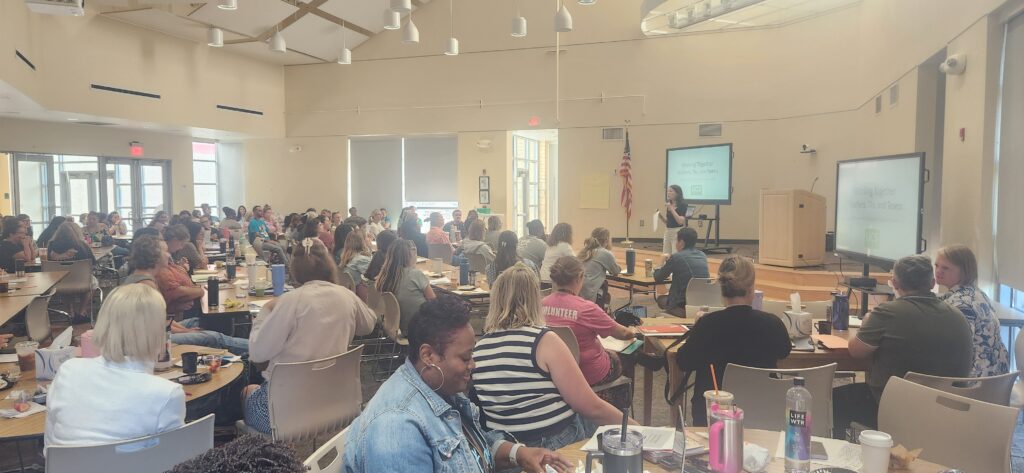
The Hendy Instructional Excellence Rubric is more than just a tool for evaluation; it’s a comprehensive framework for professional growth. To ensure schools and districts can effectively leverage this rubric, Hendy provides a range of training and support services tailored to different needs and levels of engagement.
Our trainings can be tailored to your school’s specific needs, and are always a dynamic learning experience for your teachers and leaders. Don’t take our word for it – see below for feedback from Hendy training participants!
I loved all the content and the calibration with the videos and discussion was incredibly helpful. I also LOVE the rubric and am excited to use it!
Director of student services
The first session where we did a deep dive into the rubric was very helpful! We were able to take time to internalize the rubric, understand its purpose and structure, and practiced norming and applying the rubric to different scenarios.
Anonymous
The debrief of the rubric plus the norming and certification tasks were extremely useful and fun!School Dean of Curriculum and Instruction
High School Dean of Curriculum and Instruction
Hendy offers four main types of training and support to help school leaders and teachers master the rubric and integrate it into their daily practice:
- Rubric Training Materials + Train-the-Trainer: This option is ideal for schools that want to build internal capacity. Hendy provides a complete set of training materials, including slides, facilitator guides, and videos, for both school leaders and teachers. Additionally, we offer virtual “train-the-trainer” sessions to empower a school’s own staff to become expert facilitators.
- Rubric Training Facilitation: For schools seeking direct expertise, Hendy’s professional facilitators can lead training sessions. This ensures that leaders and teachers receive in-depth, hands-on instruction from those who know the rubric best.
- Readiness Assessment and Recommendations: Before a full-scale implementation, it’s crucial to understand your system’s current state. Hendy can conduct a thorough readiness assessment, including data collection and a written report with strategic recommendations, to ensure a smooth and successful rollout.
- Evaluation Design, Pilot, and Implementation: This is a highly customized service designed to align the Hendy rubric with your existing evaluation and development processes. It includes personalized support for stakeholder engagement, policy development, rubric customization, and continuous training to guarantee a seamless and effective implementation.
Whether you’re looking to build internal expertise, receive direct training, or get a customized implementation plan, Hendy’s training services are designed to help your educators thrive and create a culture of instructional excellence.

What You Measure is What Matters: Why We Care So Much About Instructional Rubrics
The most critical in-school factor in a student’s learning outcomes is the quality of the teacher in the classroom. Teachers deserve feedback, coaching, and growth opportunities that support them to be the best they can for their students. To truly foster professional growth and ensure high-quality instruction for all students, we need a way to measure and define what “good” teaching looks like. This is where a high-quality teacher observation rubric becomes an indispensable tool. A great rubric is more than just a checklist; it’s a shared language and a roadmap for excellence. The fundamental principle at play is simple: what we measure is what matters. The selection of the tool or tools we use to guide classroom observation and teacher development is a signal of what we value most in teaching and learning.
That’s why we have shared the Hendy Instructional Excellence Rubric free-of-charge with our community. The Hendy Rubric articulates the specific, observable teacher behaviors that drive student outcomes. This clarity provides teachers with a clear understanding of expectations. They know exactly what they’re being coached on and how their performance will be evaluated. The rubric also helps school leaders and coaches calibrate on a shared definition of excellence. When everyone is using the same criteria and language, the feedback a teacher receives becomes more consistent and reliable.
The Hendy Instructional Excellence Rubric moves beyond simply articulating what a teacher does and instead focuses also on what students are learning and doing. A teacher’s input is only as effective as the resulting student output. By ensuring the indicators include both teacher actions and student actions, the rubric encourages a shift in mindset. It prompts teachers to ask, “Is what I’m doing leading to meaningful learning for my students?” This focus on student outcomes is the ultimate measure of success and the core purpose of all instructional support.
The Hendy Instructional Excellence Rubric can help you to measure what truly matters in teaching in service of student outcomes. Providing targeted, focused coaching and support allows leaders to empower teachers to be their best and ensure that all students receive the high-quality education they deserve.
Want to know how the Hendy Instructional Excellence Rubric can help you measure what matters? Reach out to Jess at jessicawilson@hendyavenue.com.

Re-Introducing the Hendy Instructional Excellence Rubric: A Renewed Vision for Teaching Excellence
The Hendy Instructional Excellence Rubric has been a cornerstone of our work at Hendy Avenue Consulting, designed to help educators create equitable and high-impact learning environments. We’re re-introducing it with a renewed focus on its core purpose: to be a practical, actionable roadmap for teachers and school leaders.
Why This Rubric Matters
The Hendy Rubric was built on a simple, yet powerful belief: every child deserves excellent instruction. Developed in partnership with teachers and leaders, it offers a clear vision for what excellent teaching looks like. It’s not a checklist; it’s a vision of excellent teaching and learning to help you reflect on your practice and grow as an educator.
What Makes the Rubric Unique?
What sets the Hendy Rubric apart is its balanced approach. It seamlessly integrates academic rigor with social-emotional learning, recognizing that both are critical for student success. The rubric is structured into four key domains, each with clear indicators of excellence:
- Classroom Culture: Creating a predictable, equitable, and positive learning environment.
- Lesson Content & Implementation: Focusing on rigorous, standards-aligned, and differentiated instruction.
- Student Thinking: Encouraging active student engagement and critical thinking.
- Responsiveness to Learning: Using data and feedback to guide instruction and ensure every student grows.
Watch this brief video to hear more about the rubric structure from Hendy’s Erica Murphy.
Putting the Rubric into Practice
While the rubric is a free tool, its real power comes from thoughtful implementation. We’ve seen schools achieve remarkable results by using it as a foundation for professional development, peer observation, and coaching. It provides a common language for discussing teaching and learning, fostering a culture of continuous improvement. We’re excited to see how you continue to use this powerful tool to unlock excellence in your classrooms. Download the free rubric here, and reach out for help with implementation!

Defining and Developing Teaching Excellence: The Hendy Instructional Excellence Rubric
Over the past 12 years, Hendy Avenue Consulting has partnered with numerous school systems to set a vision for excellent teaching, create and pilot instructional rubrics based on this vision, and implement those rubrics to support high-quality teacher coaching and development. These partnerships led to the creation of the Hendy Instructional Excellence Rubric, now freely available under a Creative Commons license on Hendy’s website. Five school systems across the country have already adopted some version of the Hendy Instructional Excellence Rubric. While Hendy tailors each engagement to the specific needs of the school system, Hendy’s close partnership with a large, multi-region charter school network served as the initial catalyst for what is now the Hendy Instructional Excellence Rubric.
The Challenge: The charter school network faced a significant challenge: their four regions were using different rubrics to define and develop excellent teaching. This inconsistency created disparities in how teachers were coached and supported across the network and missed opportunities to use the data to inform network priorities. The network reached out to Hendy to help them lead a project to create, pilot, and implement a unified vision of teaching excellence, aligning teacher development across all regions while maintaining high academic and instructional standards.
Setting the Foundation for Success: Hendy began with careful attention to organizational dynamics and stakeholder buy-in. The charter school network and Hendy established a clear RAPID decision-making framework and identified key stakeholders across departments whose participation would be crucial. This preliminary phase proved essential, establishing both the authority and the limitations within which the team would operate. This also ensured that the rubric development would center on what is most critical for students in classrooms: high-quality teaching and learning.
Creating a Common Vision of Excellence: Hendy convened a diverse subcommittee to lead the project, representing various roles (including talent, curriculum and instruction, and data), schools, tenure levels, and demographic backgrounds. This diverse representation ensured the rubric would be a practical tool for coaching and development. The subcommittee met regularly, engaging in deep discussions about what constitutes excellent teaching facilitated by Hendy team members. The group took a methodical approach to creating the new rubric. They began by discussing what excellent teaching looked like in different contexts and establishing a “blue sky” vision for teacher development. These conversations revealed both the strengths of existing approaches and the opportunities that a unified vision could provide. They conducted a detailed crosswalk of existing frameworks provided by Hendy, identifying the key elements that drove teacher growth across all contexts. This analysis helped the committee work with Hendy to create a rubric that would be both comprehensive and practical for everyday use. The team iterated on the rubric several times, testing different domains and indicators across different classrooms and contexts.
Piloting and Refining the Vision: The pilot phase demonstrated the charter school network’s commitment to thoughtful implementation. Hendy launched the pilot with an orientation webinar, introducing the rubric to the broader community and outlining its purpose, structure, and role in teacher development. This helped build understanding and buy-in. The webinar provided practical guidance for leaders to begin using the rubric while allowing for refinement based on their experiences. Recognizing the unique needs of certain teaching populations, Hendy and the charter team specifically engaged Special Education teachers, fine arts instructors, PE teachers, and preK educators through targeted surveys and focus groups. This ensured their perspectives would shape the final framework. Pilot schools used the rubric in multiple contexts. Leadership teams conducted walkthroughs using the new framework at least 2-3 times that spring, testing its effectiveness in different classroom settings. School leaders also used the framework in coaching conversations with teachers, providing valuable insights. Throughout the pilot, Hendy maintained a strong feedback loop, gathering input through structured surveys and focus groups and used this information to make adjustments. Critically, Hendy and the committee closed the feedback loop by communicating changes back to participants, explicitly connecting their input to specific modifications. Leaders found the rubric helpful in structuring coaching conversations, providing a common language for discussing teaching excellence. They also identified areas where additional guidance was needed, particularly around using the rubric to support different types of teachers and content areas.
Implementation, Training, and Capacity Building: The summer marked the transition to full implementation. In partnership with Hendy, the large, multi-region charter school network invested heavily in developing the capacity of those who would use the rubric. The implementation began with establishing clear systems and structures. Hendy worked with school leaders to determine coaching roles, the frequency of observations and coaching conversations, and how teachers would engage with the rubric. The subsequent training program facilitated by Hendy was comprehensive and sustained, extending through the summer and following school year. It began with foundation training, where coaches learned not just about the rubric’s structure but also how to use it as a tool for development. These interactive sessions included practicing with instructional video analysis and guiding coaching conversations. Quarterly practice-based sessions facilitated by Hendy throughout the school year reinforced learning. Each session followed a thoughtful progression: leaders would study specific indicators, analyze teaching videos, engage in calibration discussions, and practice coaching conversations. The embedded certification process was particularly effective. Rather than a one-time event, it was a supportive process allowing for multiple attempts and providing additional support when needed.
Legacy and Evolution: The Hendy Instructional Excellence Rubric: Hendy’s work on creating and implementing this charter school network’s rubric significantly influenced the development of the Hendy Instructional Excellence Rubric. The Hendy rubric builds upon the successful elements of the charter school network’s process while introducing innovations. Like its predecessor, the Hendy Instructional Excellence Rubric organizes teaching excellence into four domains, each guided by an essential question. It adds “Core Teacher Skills” for each indicator, providing specific, actionable guidance for teacher development. This helps bridge the gap between identifying excellent teaching and developing teachers’ practice. The Hendy rubric also refines the approach to measuring impact, maintaining the charter school network’s focus on student outcomes while creating clearer developmental progressions. This helps teachers and coaches identify specific next steps for growth.
Want to learn more about the Hendy Instructional Excellence framework? Visit our website or email Jessica Wilson!
Unlocking Excellence in Teaching with the Hendy Instructional Excellence Rubric
At Hendy Avenue Consulting, we believe every child deserves excellent instruction, every day, in every classroom. This foundational belief has guided our work with schools and districts across the country for over a decade. Now, we’re thrilled to share a tool that embodies this commitment: the Instructional Excellence Rubric.
This free, equity-focused tool is designed to provide a clear and actionable vision for teaching and learning. With its detailed structure and emphasis on both teacher actions and student outcomes, the rubric is more than a framework—it’s a roadmap for achieving excellence in classrooms.
At Hendy, we have had the privilege of partnering with school systems across the country as they endeavor to implement observation rubrics that support great coaching and development for teachers, and improved outcomes for students. The Hendy Instructional Excellence Rubric is the product of several engagements over several years. With our partners, we saw the need for a higher quality observation rubric that better met school systems’ needs, and we worked to create this rubric in partnership with teachers and school leaders from across the country. We’ve supported several systems to successfully implement versions of this rubric, and have seen the positive impact it has had on schools. We are excited now to make this rubric available, for free, to everyone for the benefit of schools, teachers, and students.
What Makes the Instructional Excellence Rubric Unique?
The Instructional Excellence Rubric stands apart because it balances rigorous academics with social-emotional learning, ensuring that all aspects of a student’s success are prioritized. It reflects years of experience working directly with teachers, leaders, and schools to define what truly works in classrooms.
Here’s how the rubric is structured:
- Classroom Culture: Focuses on creating a predictable, joyful, and equitable environment that maximizes learning time.
- Lesson Content & Implementation: Emphasizes rigorous, purposeful, and differentiated instruction to meet the needs of all students.
- Student Thinking: Highlights the importance of students doing the thinking, speaking, writing, and creating during lessons.
- Responsiveness to Learning: Centers on using feedback and data to adapt teaching and ensure every student grows and succeeds.
Each domain contains clear indicators of excellence, articulated across four levels of performance. These descriptors help educators identify what success looks like and provide actionable steps for improvement.
How Can the Rubric Help You?
Whether you’re a school leader, instructional coach, or system administrator, the rubric can:
- Provide a shared language for excellence across your school or district.
- Guide teacher coaching and development with clear, equity-focused expectations.
- Support classroom observations that prioritize student outcomes.
It’s a comprehensive tool for anyone committed to improving teaching and learning at scale.
The Power of Training and Support
While the rubric is designed to be intuitive and easy to use, its full potential is unlocked through thoughtful implementation and training. That’s where Hendy Avenue Consulting can help.
We offer tailored training and support packages to ensure schools and systems:
- Norm around expectations: Build consistency in how the rubric is used across classrooms.
- Develop coaching capacity: Equip leaders to use the rubric as a tool for meaningful teacher development.
- Customize for your context: Adapt the rubric to align with the unique needs and goals of your school or district.
Our team has a proven track record of helping educators implement tools like this successfully, driving real change in teaching and learning.
Ready to Get Started?
The Instructional Excellence Rubric is available for free download:
Let us help you bring it to life. Reach out to Jess to schedule a call!
Together, we can ensure every child experiences the excellent instruction they deserve.